
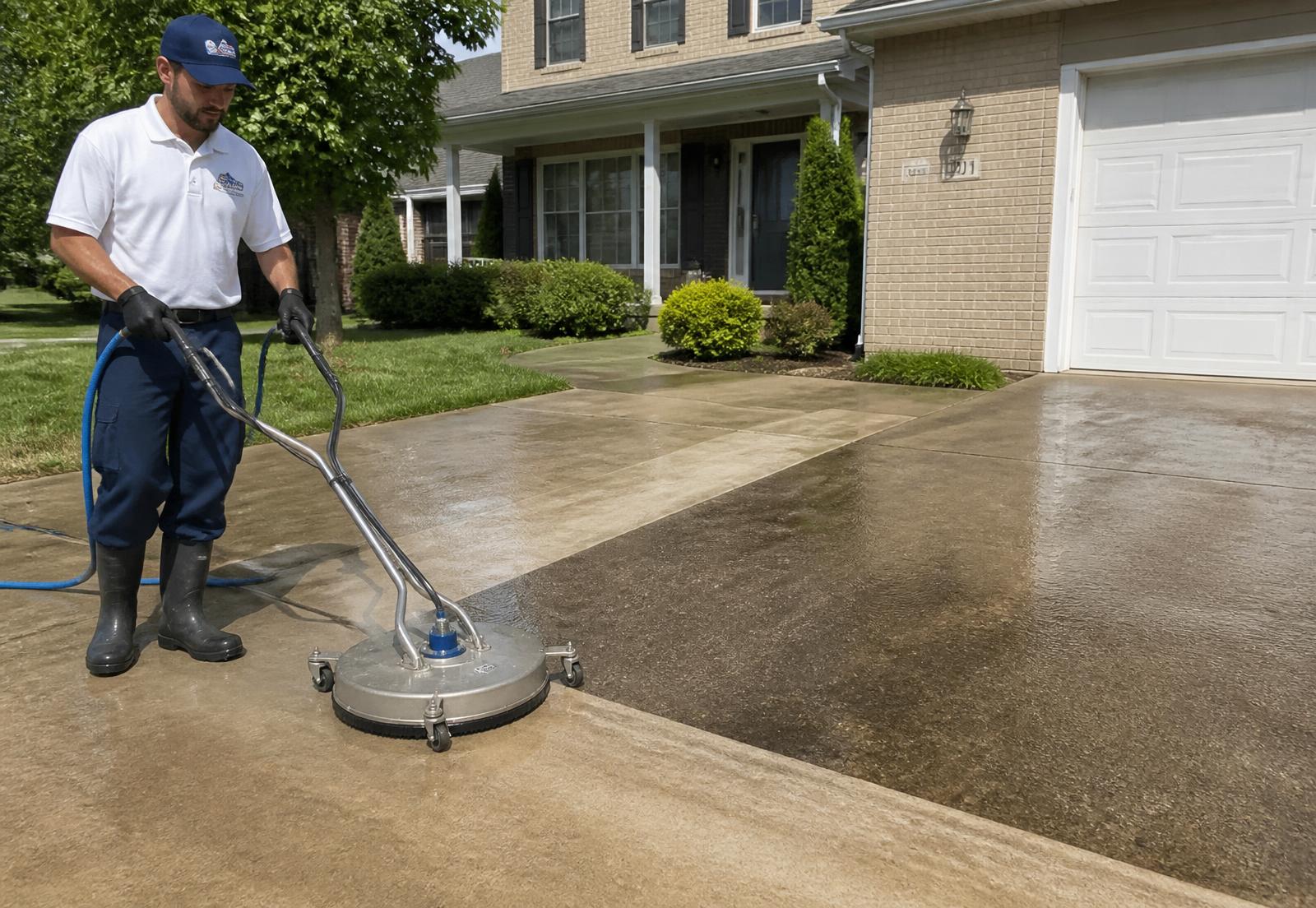
Rust Stain Removal in Vernon Hills, Illinois
Rust Stain Removal & Exterior Cleaning

Rust Stain Removal in Vernon Hills: Pressure Washing, Soft Washing, and Exterior Cleaning Facts

At Pressure Washing Vernon Hills we identify the stain’s source and match the treatment to the surface, using targeted rust removal, pressure washing, soft washing, or other exterior-cleaning methods to reduce damage and improve the result. Rust stains can appear on driveways, sidewalks, siding, fences, and other exterior surfaces in Vernon Hills.

  • Methods matched to each material
  • Landscaping and fixtures protected
  • Trained, uniformed technicians
  • Transparent, itemized pricing

Request a free quote

Tell us about your property and we'll get back to you with a clear, itemized price.

Prefer to talk? Call (847) 600-4895

Trusted rust stain removal for Vernon Hills homes

Irrigation water, metal runoff, fertilizer, and aging fixtures often leave orange or brown marks that ordinary soap and water cannot remove.

Our surface protection experts account for concrete, brick, vinyl, wood, landscaping, and nearby décor while examining edges and overlooked details.

What this service covers

  • Iron In Well Water And Irrigation Systems
  • Oxidation On Concrete, Brick, Vinyl, And Stone
  • Vernon Hills Climate And Lake County Mineral Deposits
  • Low-Pressure Chemical Treatment For Rust Deposits
  • Pressure Washing For Durable Hardscapes
  • Soft Washing For Siding And Delicate Exterior Materials

Cleaning Methods, Safety, And Long-Term Prevention

Rust removal in Vernon Hills requires the right treatment for the surface, stain source, and runoff risk. We combine targeted chemistry, controlled water pressure, protective procedures, and maintenance planning to remove deposits without damaging siding, masonry, landscaping, or outdoor fixtures.

Low-Pressure Chemical Treatment For Rust Deposits

We use low-pressure application when rust has stained vinyl siding, painted trim, masonry, or other materials that could suffer from aggressive water impact. A rust-specific cleaner loosens iron deposits while pressure provides controlled rinsing rather than relying on force alone.

Before treatment, we identify whether the stain comes from well-water minerals, irrigation overspray, corroding fasteners, metal furniture, or a failing gutter component. We protect nearby plants, windows, lighting, and painted surfaces, then test an inconspicuous area for color change or etching.

We follow the product label for dilution, dwell time, ventilation, and required protective equipment. We never mix rust removers with bleach, ammonia, or other cleaners. A careful rinse removes dissolved residue and prevents the chemical from drying onto the surface.

Pressure Washing For Durable Hardscapes

Concrete driveways, patios, walkways, and some pavers can tolerate higher pressure than siding, but pressure alone does not remove every rust mark. Excessive pressure may expose aggregate, scar concrete, spread contamination, or damage joint sand.

We select the nozzle, water temperature, pressure, and cleaning distance according to the hardscape’s age and condition. Older concrete, decorative finishes, sealed surfaces, and clay or natural-stone pavers need lower settings and closer inspection.

For embedded rust, we apply a compatible rust remover first and use pressure washing for rinsing. We keep the wand moving, avoid concentrated spray on cracks, and inspect edges, expansion joints, steps, and areas beneath metal furniture. Our surface-protection approach helps preserve the hardscape while improving stain removal.

Soft Washing For Siding And Delicate Exterior Materials

Soft washing uses a low-pressure spray with a material-appropriate cleaning solution. We use it for vinyl siding, painted wood, stucco, exterior trim, screens, and other surfaces where high pressure could force water behind panels or strip coatings.

Rust stains often require a specialized acid-based product rather than a standard detergent. We shield windows, door hardware, plants, and decorative metal, then control overspray and rinse thoroughly. We also check for loose siding, cracked caulk, failing paint, and exposed fasteners before applying any solution.

Soft washing does not mean ignoring surface conditions. We adjust the method for sun exposure, temperature, wind, oxidation, and the material’s finish. Our technicians use measured application and detailed rinsing to reduce streaks, residue, and unintended plant contact.

Oxalic And Citric Acid Rust Removers

Oxalic acid can dissolve iron oxide effectively on compatible masonry, concrete, and some metal surfaces. Citric acid generally provides a milder option for certain light deposits, but neither product suits every finish. Acid may etch limestone, marble, cement-based materials, galvanized coatings, or sensitive paint.

We read the manufacturer’s instructions, wear chemical-resistant gloves and eye protection, and maintain ventilation where needed. We pre-wet porous materials when the product directions require it, apply only the necessary amount, observe the specified dwell time, and rinse completely.

We never combine acids with chlorine products. We also avoid treating unknown stone without a test patch. A remaining orange mark may indicate active corrosion, deep pitting, or a continuing source rather than a surface-cleaning problem.

Runoff Control And Surface Protection

Rust-cleaning runoff can carry dissolved iron and acidic solution across concrete, into soil, or toward storm drains. We plan containment before applying chemicals, using controlled rinsing, drain protection where appropriate, collection methods, and careful water management.

We wet and cover vulnerable landscaping according to the product requirements, move outdoor furniture when practical, and protect lighting, décor, screens, and nearby vehicles. We keep chemical solutions away from ponds and drainage channels, and we follow local disposal requirements instead of allowing concentrated runoff to leave the property.

Weather affects safety and results. We avoid windy conditions that increase overspray and monitor temperature, drying speed, and precipitation. Our white-glove process includes property protection before cleaning and a final walkthrough to check trim, corners, edges, and surrounding surfaces.

Sealing, Filtration, And Maintenance Planning

After removing rust, we address the source whenever possible. We may recommend repairing corroding hardware, replacing rusting hose fittings, correcting irrigation overspray, or inspecting gutters and downspouts. If well water contributes to recurring orange stains, a water professional can evaluate iron levels and filtration options.

A compatible sealer can reduce absorption on suitable concrete or masonry, but it cannot stop rust from a continuing metal source. We confirm that the surface is clean, dry, and compatible with the selected product before applying it.

We create maintenance plans based on exposure and stain history. A seasonal inspection can identify new deposits before they penetrate porous materials. Our trained technicians document problem areas, recommend only necessary services, provide transparent pricing, and schedule recurring exterior cleaning around the property’s actual needs.

Rust Stain Sources, Surfaces, And Local Considerations

Rust stains in Vernon Hills usually come from dissolved iron in water, corroding outdoor metal, or mineral-rich runoff. Identifying the source helps us choose between pressure washing, soft washing, targeted rust treatment, and careful surface restoration.

Iron In Well Water And Irrigation Systems

Although most Vernon Hills homes receive municipal water, private wells and irrigation systems can still introduce iron-rich water onto exterior surfaces. When sprinkler spray repeatedly reaches siding, concrete, pavers, fences, or retaining walls, dissolved iron oxidizes in air and leaves orange or brown deposits.

We first inspect sprinkler direction, hose bibs, downspouts, and metal irrigation components. Correcting overspray matters because cleaning alone will not prevent recurring stains. We may use a targeted acid-based rust remover on compatible masonry, then rinse with controlled pressure. We never treat rust with chlorine bleach , which does not dissolve iron stains and can make some discoloration more difficult to remove.

Porous concrete and brick may require dwell time and more than one treatment. We protect landscaping, test an inconspicuous area, and adjust pressure to avoid etching the surface.

Oxidation On Concrete, Brick, Vinyl, And Stone

Different materials require different cleaning methods. Concrete and brick absorb iron deposits into their pores, while vinyl siding typically holds rust on its surface. Natural stone requires additional caution because acidic products can damage limestone, marble, travertine, and other calcium-based materials.

We use pressure washing primarily to remove loose dirt and surface residue, not to force rust deeper into masonry. A professional rust-treatment product may contain oxalic, citric, or another suitable acid, but we select it according to the material and stain severity. For vinyl and painted finishes, we favor low-pressure cleaning and controlled spot treatment to reduce the risk of streaking or paint loss.

Our technicians inspect joints, edges, trim, and nearby metal fixtures before cleaning. We also shield plants, outdoor furniture, lighting, and decorative elements from runoff and chemical exposure.

Vernon Hills Climate And Lake County Mineral Deposits

Vernon Hills experiences freeze-thaw cycles, spring rain, humid summers, and winter snow and deicing residue. These conditions repeatedly wet exterior surfaces, move minerals across masonry, and enlarge small cracks where rust-colored deposits can collect.

Lake County properties may also contain mineral deposits from groundwater, irrigation runoff, or aging metal components. Hard-water scale can overlap with rust, creating a layered stain that ordinary house washing will not remove. We distinguish iron discoloration from algae, mildew, efflorescence, and calcium buildup before selecting a treatment.

For delicate siding, stone, and painted surfaces, we use soft washing or low-pressure rinsing instead of high-pressure cleaning. After restoration, we can recommend adjustments to sprinkler coverage, gutter discharge, and maintenance timing to reduce repeat staining.

Answers

Frequently Asked Questions

Rust removal requires matching the cleaning method and chemical to the surface, stain age, and nearby landscaping. We inspect irrigation sources, control runoff, and use pressure washing, soft washing, or specialty treatment to reduce damage risks.

Can pressure washing safely remove rust stains from concrete, brick, siding, and driveways?

Pressure washing can remove loose residue and surface dirt, but water pressure alone often will not dissolve embedded iron staining. We typically apply a compatible rust remover first, allow controlled dwell time, then rinse with pressure suited to the material.

Concrete and many pavers can tolerate higher pressure than vinyl siding, painted surfaces, or older brick. We test a small area, protect joints and finishes, and avoid forcing water behind siding or into damaged masonry.

Which rust-removal chemicals, such as oxalic acid or citric acid, are most effective for exterior surfaces?

Oxalic-acid products often work well on iron stains in concrete, masonry, and some hard exterior materials. Citric-acid formulas can provide a milder option for lighter deposits or situations requiring more conservative treatment.

We select the product based on the surface, stain concentration, sealant, and runoff risk. We follow the manufacturer’s dilution and dwell-time requirements, never mix acids with bleach or other incompatible chemicals, and rinse thoroughly.

When is soft washing a better choice than high-pressure washing for rust-stained vinyl siding or painted exteriors?

Soft washing works better when the surface could dent, strip paint, or allow water behind panels. We use low pressure with a surface-appropriate cleaning solution, then rinse without blasting the siding or painted finish.

Rust may come from an attached hose bib, gutter, sprinkler, or metal fastener. We address the stain carefully and identify the source so the discoloration does not quickly return.

What causes orange rust stains on Vernon Hills irrigation systems, sidewalks, and exterior walls?

Iron-bearing well water or irrigation water can leave orange deposits when repeated spraying dries on concrete, brick, siding, or walls. Metal sprinkler components, corroded hose fittings, gutters, railings, and nearby construction materials can create additional staining.

Freeze-thaw exposure and porous masonry can allow deposits to penetrate the surface. In Vernon Hills and throughout Lake County, we inspect sprinkler coverage, drainage paths, downspouts, and metal fixtures before recommending treatment.

Can exterior cleaning remove iron-related rust stains without damaging landscaping, sealants, or nearby Lake County surfaces?

We protect plants, soil, outdoor furniture, lighting, décor, and adjacent surfaces before applying chemicals. We use controlled application, limited dwell time, collection or dilution of runoff when appropriate, and thorough rinsing to reduce exposure.

Sealants, decorative coatings, limestone, natural stone, and older masonry require extra care because acids can etch or discolor them. We test discreetly first and explain when stain removal may require resealing, repair, or source correction.

How quickly can professional cleaning address rust, scale, and mineral deposits on patios, pavers, and retaining walls?

Many small, accessible stains can receive treatment during a scheduled exterior-cleaning visit. Heavy scale, repeated irrigation deposits, porous retaining walls, or large patios may require multiple applications or a second visit.

We assess the stain during the walkthrough, provide transparent pricing, and set expectations before work begins. Our technicians combine commercial-grade equipment with the lowest effective pressure and a maintenance plan when recurring deposits stem from irrigation or drainage.

Garage Floor Cleaning

Ready for rust stain removal in Vernon Hills?

Clear pricing, trained technicians, and careful property protection.

(847) 600-4895